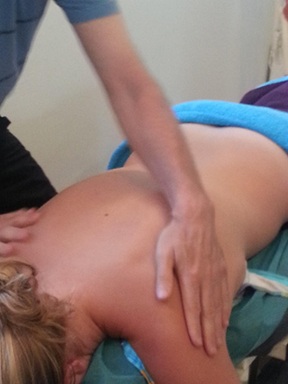
Massage During Menopause: Managing Symptoms Naturally
Menopause represents a significant life transition that affects every woman differently, bringing physical and emotional changes that can impact quality of life for months or even years. While hormone replacement therapy and medications remain common treatment approaches, many Sydney women are seeking natural, holistic methods to manage menopausal symptoms. Remedial massage therapy offers a valuable, evidence-based tool that can address multiple menopausal concerns simultaneously without pharmaceutical side effects.
Understanding Menopause and Its Challenges
Menopause officially begins 12 months after a woman’s last menstrual period, typically occurring between ages 45-55. However, perimenopause—the transitional period leading to menopause—can begin several years earlier and often presents the most challenging symptoms. During this time, declining estrogen and progesterone levels create a cascade of physical and emotional changes.
Common menopausal symptoms include hot flashes, night sweats, sleep disturbances, mood changes, joint stiffness, muscle tension, weight gain, and reduced bone density. The interconnected nature of these symptoms means that addressing one concern often provides relief for others, making massage therapy’s holistic approach particularly valuable.
How Massage Therapy Supports Menopausal Women
Stress Reduction and Cortisol Management
Menopause often coincides with other life stressors—career demands, aging parents, relationship changes, or health concerns. Elevated stress levels can exacerbate menopausal symptoms, creating a cycle where symptoms increase stress, which in turn worsens symptoms.
Massage therapy activates the parasympathetic nervous system, promoting relaxation and reducing cortisol production. Research published in the International Journal of Neuroscience demonstrated that massage therapy significantly reduces cortisol levels while increasing serotonin and dopamine—neurotransmitters associated with mood stability and well-being.
Sleep Quality Improvement
Sleep disturbances affect up to 80% of menopausal women, often due to night sweats, anxiety, or physical discomfort. Poor sleep quality compounds other menopausal symptoms, affecting mood, cognitive function, and physical health.
Massage therapy promotes deeper, more restorative sleep through several mechanisms. The physical relaxation achieved during treatment carries over into evening hours, while the reduction in muscle tension and pain improves sleep comfort. Studies show that women receiving regular massage therapy report significant improvements in sleep quality and duration.
Joint and Muscle Pain Relief
Declining estrogen levels affect collagen production, leading to increased joint stiffness and muscle tension. Many women notice new aches and pains during menopause, particularly in the neck, shoulders, and lower back. These changes can limit mobility and affect overall quality of life.
Remedial massage directly addresses musculoskeletal symptoms by improving circulation, reducing inflammation, and maintaining tissue flexibility. Targeted work on problem areas can prevent minor discomforts from developing into chronic pain conditions.
Circulation and Lymphatic Support
Hormonal changes during menopause can affect circulation, contributing to feelings of fatigue and sluggishness. Some women also experience fluid retention or swelling, particularly in the legs and ankles.
Massage therapy enhances both blood and lymphatic circulation, supporting the body’s natural detoxification processes and improving energy levels. The mechanical pressure applied during massage helps move lymphatic fluid, reducing swelling and promoting overall tissue health.
Mood and Emotional Support
The emotional aspects of menopause—including irritability, anxiety, depression, and mood swings—often receive less attention than physical symptoms but can significantly impact relationships and daily functioning. While massage therapy isn’t a substitute for mental health treatment when needed, it provides valuable emotional support through human touch and relaxation.
Research indicates that massage therapy can reduce symptoms of anxiety and depression while promoting emotional regulation. The dedicated time for self-care that massage represents also supports psychological well-being during this transitional period.
Specific Massage Approaches for Menopausal Symptoms
Hot Flash Management
While massage cannot eliminate hot flashes, it can help manage their frequency and intensity. Gentle massage of the neck, shoulders, and upper back—areas that often tense during hot flashes—can provide relief. Some women find that regular massage helps regulate their autonomic nervous system, potentially reducing the severity of vasomotor symptoms.
Addressing Sleep-Related Tension
Evening massage sessions can be particularly beneficial for women experiencing sleep disturbances. Focus on the neck, shoulders, and back helps release the physical tension that accumulates throughout the day and can interfere with sleep onset.
Joint Mobility Maintenance
Targeted work on specific joints experiencing stiffness—commonly the neck, shoulders, hips, and lower back—helps maintain range of motion and prevent the development of chronic restrictions. Regular treatment can significantly slow the progression of age-related joint changes.
Headache and Tension Relief
Many menopausal women experience increased frequency of tension headaches, often related to hormonal fluctuations, stress, or sleep disturbances. Massage therapy focusing on the neck, shoulders, and scalp can provide both immediate relief and long-term prevention.
The Timing of Massage During Menopause
Perimenopause Support
During the unpredictable perimenopausal years, when symptoms may fluctuate wildly, regular massage sessions can provide stability and consistency. Monthly or bi-weekly treatments help women navigate this challenging period with greater ease.
Post-Menopausal Maintenance
After menopause, when symptoms typically stabilize, many women find that regular massage helps maintain the improvements they’ve achieved while supporting overall health and well-being as they age.
Intensive Support Periods
During particularly difficult symptom phases, more frequent massage sessions—weekly or even twice weekly—may provide additional benefit. This intensive approach can help break cycles of poor sleep, increased stress, and worsening symptoms.
Mobile Massage Benefits for Menopausal Women
Receiving massage therapy at home offers particular advantages for women navigating menopause:
Climate Control: Hot flashes and temperature sensitivity make environmental control crucial. At home, you can adjust heating, cooling, and ventilation to your exact comfort needs.
Privacy and Comfort: Discussing intimate health concerns and undressing for treatment may feel more comfortable in familiar surroundings, particularly for women experiencing body image changes.
Immediate Rest: After treatment, you can immediately rest without travel, which is especially valuable for evening sessions designed to promote sleep.
Flexible Scheduling: Menopausal symptoms can be unpredictable. Mobile massage allows for schedule adjustments when symptoms fluctuate unexpectedly.
Family Consideration: Treatment at home eliminates the need for family members to adjust their schedules or arrangements for transportation.
Research Supporting Massage for Menopause
Multiple clinical studies demonstrate massage therapy’s effectiveness for menopausal symptoms. A study published in Menopause: The Journal of the North American Menopause Society found that women receiving massage therapy showed significant improvements in anxiety, depression, and sleep quality compared to control groups.
Another research study in the Journal of Clinical Nursing demonstrated that massage therapy reduced both the frequency and intensity of hot flashes in postmenopausal women. The effects were maintained for several weeks after treatment ended, suggesting lasting benefits.
Contraindications and Considerations
While massage therapy is generally safe for menopausal women, certain conditions require medical clearance:
- Osteoporosis or severe bone density loss
- History of blood clots or current anticoagulant medication
- Uncontrolled high blood pressure
- Recent surgery or medical procedures
- Active cancer treatment
Women taking hormone replacement therapy should inform their massage therapist, as some medications can affect circulation and healing responses.
Integration with Other Treatments
Massage therapy complements other approaches to menopausal symptom management:
Medical Treatment: Massage can enhance the effectiveness of prescribed medications while potentially reducing the doses needed for symptom control.
Nutritional Support: The stress reduction achieved through massage may improve digestive function and nutrient absorption from dietary changes or supplements.
Exercise Programs: Regular massage helps maintain flexibility and reduces post-exercise soreness, making it easier to maintain the physical activity crucial for menopausal health.
Mental Health Support: For women receiving counseling or therapy for menopausal emotional changes, massage provides complementary stress relief and emotional support.
What to Expect from Treatment
During your first appointment, we’ll discuss your specific symptoms, health history, and treatment goals. Menopausal symptoms can be intimate and personal, and I maintain complete professionalism while ensuring you feel comfortable discussing your concerns.
Treatment typically focuses on areas of greatest tension and discomfort, with techniques adapted to your comfort level and symptom needs.
Long-Term Benefits
Regular massage therapy during menopause offers benefits that extend beyond immediate symptom relief:
- Improved stress management skills
- Better sleep patterns that persist over time
- Maintained muscle flexibility and joint mobility
- Enhanced body awareness and self-care practices
- Reduced reliance on pain medications
- Improved overall quality of life during and after the menopausal transition
Conclusion
Menopause doesn’t have to mean accepting diminished quality of life. Remedial massage therapy offers a natural, effective approach to managing the complex web of symptoms associated with this life transition. By addressing physical discomfort, emotional stress, and sleep disturbances simultaneously, regular massage can help Sydney women navigate menopause with greater comfort and confidence.
The mobile massage approach ensures that this valuable therapy remains accessible even when symptoms make leaving home challenging. For more information about how remedial massage can support your menopausal journey, please call 0434 631 987. I’m available seven days a week throughout Sydney’s Inner West, CBD, and surrounding areas, with flexible scheduling to accommodate the unpredictable nature of menopausal symptoms.